

Designing Scenes People Actually Use
Start with activities, not catalogs of buttons. Define four or five scenes that map to real life: Welcome, Dining, Reading, Film, and Late Night. Tune not only intensity but distribution, warmth, and accent emphasis. Test transitions for comfort and speed. Label controls clearly and position them where hands naturally reach. When scenes match behaviors, the system feels like a gentle concierge, not a puzzle. Fewer, better choices invite consistent use and lasting satisfaction.

Interfaces, Sensors, and Invisible Convenience
Keep interfaces minimal and tactile, supported by discreet motion or presence sensors in circulation paths and bathrooms. Tie schedules to astronomical clocks so mornings feel crisp and evenings exhale. Offer a simple app for deeper tweaks, but ensure wall controls work perfectly without phones. Calibrate fade times to suit the room’s character. When the environment anticipates needs and never surprises, the result feels both luxurious and humane, especially for guests unfamiliar with the system.
Flicker-Free, Low-End Smoothness
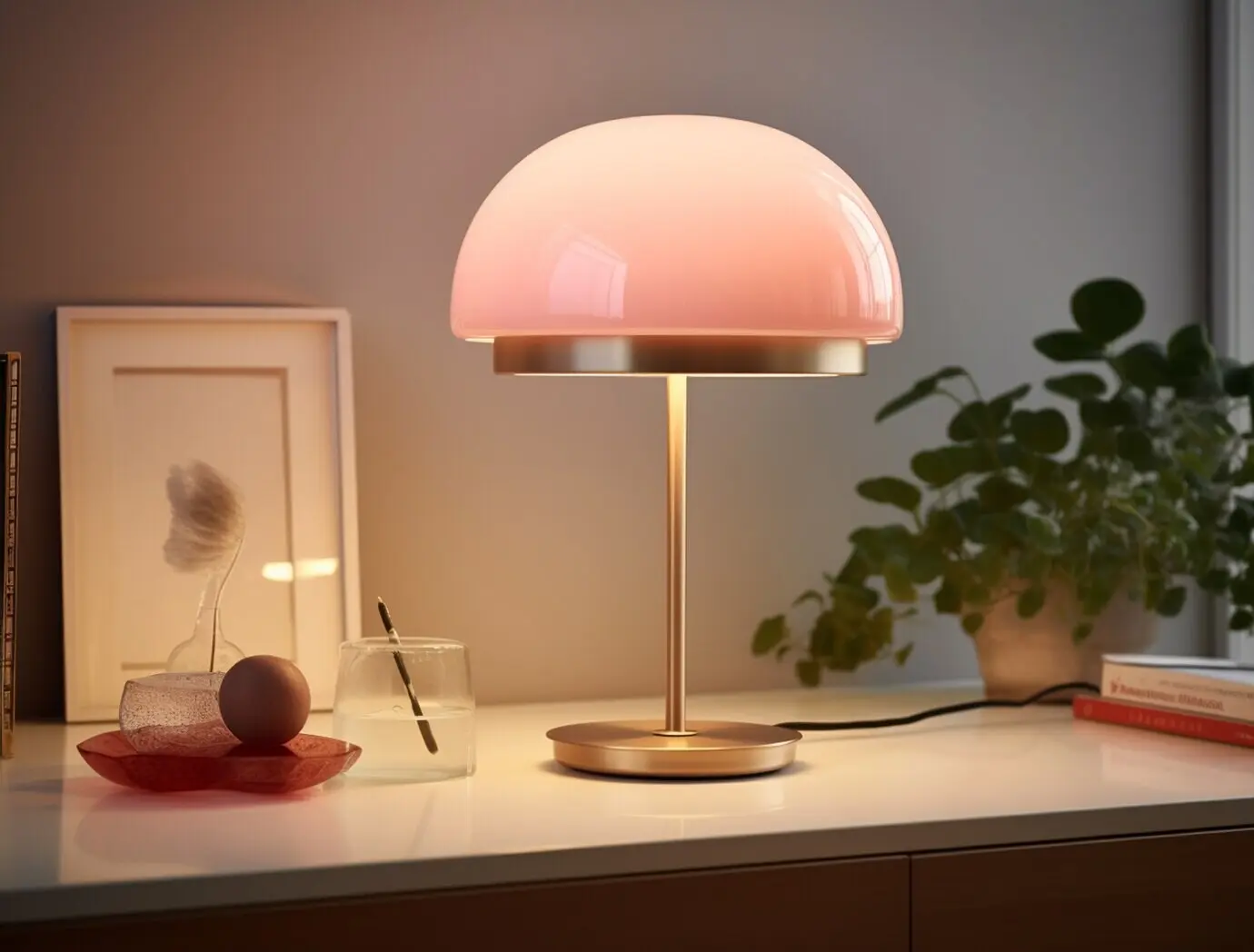
True luxury is felt at 1–5% output where flicker, stepping, and color shift often appear. Specify drivers with verified low-end performance, high PWM frequencies, or hybrid dimming strategies. Test with slow-motion video and sensitive eyes. Align driver types across circuits to avoid inconsistent fades. Protect line voltage quality and thermal conditions for longevity. When dim-to-dark is silky and stable, evenings retain their spell, and eyes relax into the room instead of noticing the technology.