Quiet Luxury Through Natural Material Palettes

Today we explore natural material palettes for refined, understated interiors, where oak, linen, clay, stone, and honest metals create calm rooms that feel timeless. You’ll find practical guidance, sensory stories, and gentle color strategies that honor simplicity without sacrificing warmth. Share your questions, join the conversation, and subscribe to continue refining your home with thoughtful, quiet choices.

Material Harmonies: Wood, Stone, Linen

Consider the gentle interplay between oiled oak, open-pore limewash, veined travertine, and softened linen. Together they moderate acoustics, reflect light with nuance, and invite touch. This guide maps tactile combinations that feel grounded yet airy, helping you balance grain, sheen, and temperature so rooms stay welcoming, resilient, and easy to live with.


Color Nuance: Earth Tones That Whisper

Rather than high contrast, rely on tonal steps that move from bone to sand, camel to tobacco, and clay to umber. These gradations help natural materials look cohesive and unforced. Add subtle cool relief through mineral grays or muted blue-greens, ensuring transitions feel like horizon lines rather than abrupt breaks.

Light, Shadow, and Surface

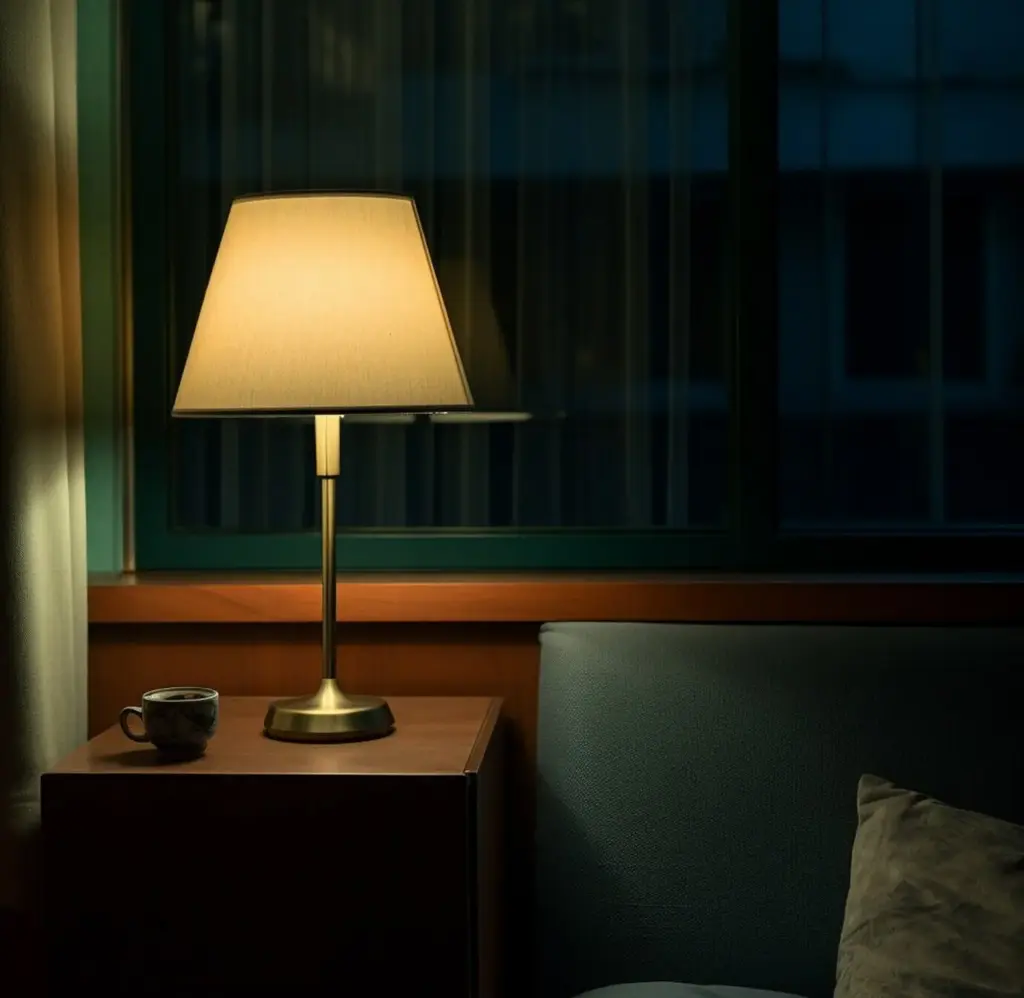
Natural materials respond dramatically to light direction and intensity. Track how morning sun grazes limewash, how afternoon shadow cools travertine, and how evening lampset warms linen. Place reflective surfaces sparingly, prioritize matte or eggshell finishes, and let layered opacity in textiles regulate brightness while maintaining the gentle hush you value.

Ethical Sourcing, Honest Craft

Aging Beautifully: Care and Patina

Understated interiors welcome patina that records daily life. Choose finishes that can be renewed, not just protected, and embrace small marks that add depth. Routine care with gentle products ensures longevity, while periodic restoration returns luster without erasing memory, keeping spaces elegant, personal, and effortlessly livable over decades.

Styling With Restraint

Edit displays so materials take center stage. A single branch in a stone vessel, a low stack of linen-bound books, and a handcrafted stool can carry a room. Leave negative space around everyday objects and let functional pieces serve as sculpture, encouraging breathing room, clarity, and mindful daily rituals.

Negative Space and Rhythm

Arrange groupings with deliberate gaps that allow light to move between forms, establishing rhythm without clutter. Align objects to architectural lines, honor sightlines, and avoid crowding corners. This choreography foregrounds materials and silhouette, making even humble pieces feel essential, poised, and quietly expressive throughout changing seasons.

One Statement, Many Supporting Notes

Let one substantial element lead, such as a travertine coffee table or a clay amphora. Surround it with lower, softer textures that harmonize without competing. Scale matters; keep surrounding pieces modest, allowing the main form’s weight and story to anchor gatherings, conversations, and quiet moments alike.

Scent, Sound, and Ritual

Layer sensory elements that complement natural materials. Choose beeswax candles, cedar blocks, and linen sprays with subtle botanicals. Keep soundscapes warm and minimal, favoring acoustic textures over synthetic shine. Small rituals, from morning airing to evening downlights, reinforce calm, making spaces feel cared for and beautifully lived in.
Vafuhulikomeviluxifu
Privacy Overview

This website uses cookies so that we can provide you with the best user experience possible. Cookie information is stored in your browser and performs functions such as recognising you when you return to our website and helping our team to understand which sections of the website you find most interesting and useful.